
Turn Disaster Preparedness Into Sustained Community Action
The Resilient Community Coach (RCC) is an AI-powered coach that helps emergency managers and community leaders turn local knowledge, preparedness plans, and community capacity into coordinated action, while keeping communities engaged and ready between disasters.
Scale Community Resilience, Extend Your Reach
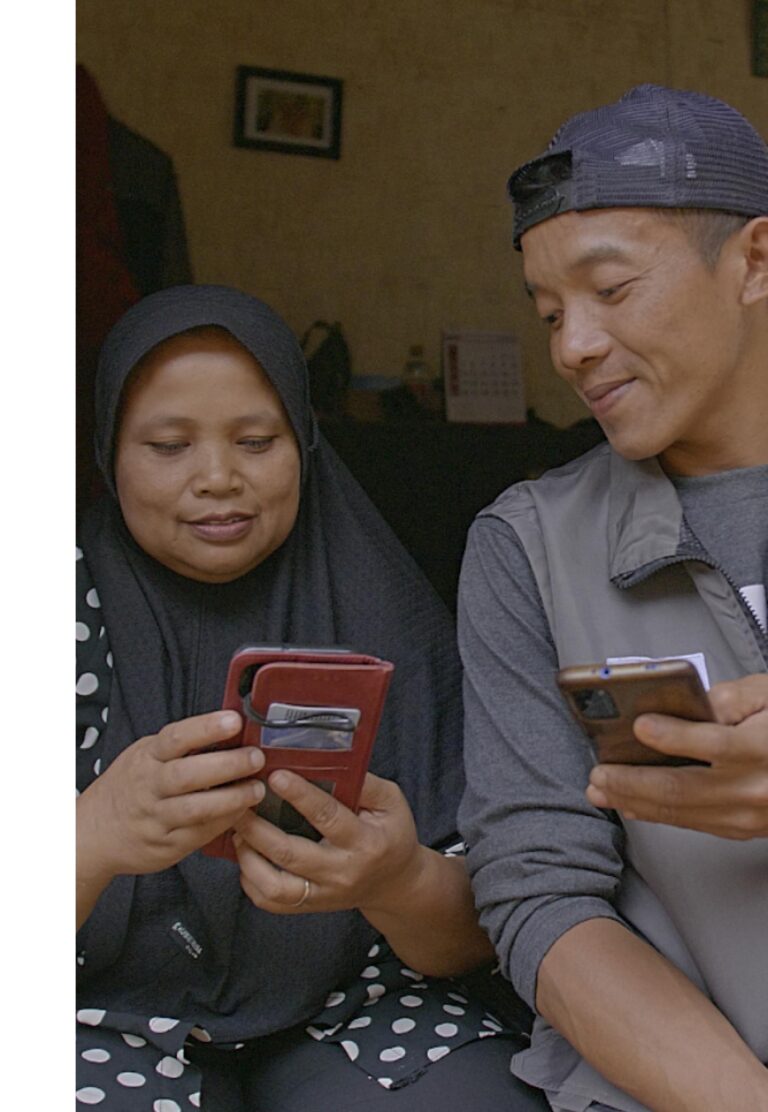
RCC gives emergency managers a scalable way to extend the reach of their response system into every neighborhood. Extend preparedness to support more communities, strengthen local coordination, and sustain readiness between disasters.
The Readiness Gap: Keeping
Communities
Prepared, and Visible
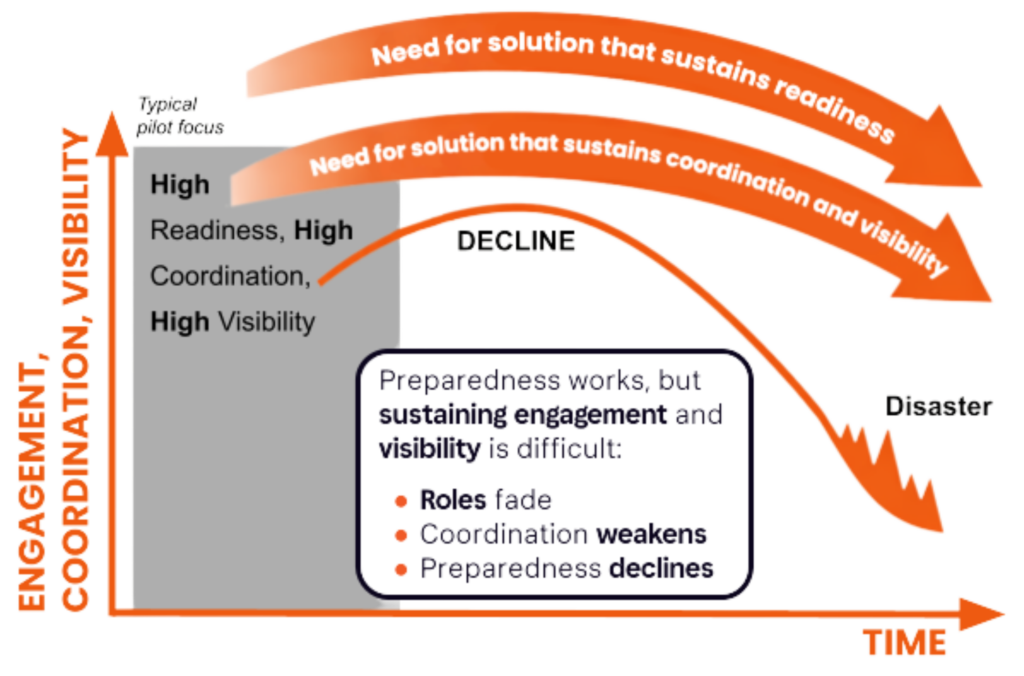
The challenge isn’t simply access to information. Communities need ongoing practice, clear roles, and coordination to keep preparedness active between disasters. Emergency managers, meanwhile, need visibility into what each community has done, where readiness is strong, and where additional support is needed. RCC bridges both gaps: helping communities sustain preparedness while giving emergency managers greater visibility into readiness over time.
The Challenge
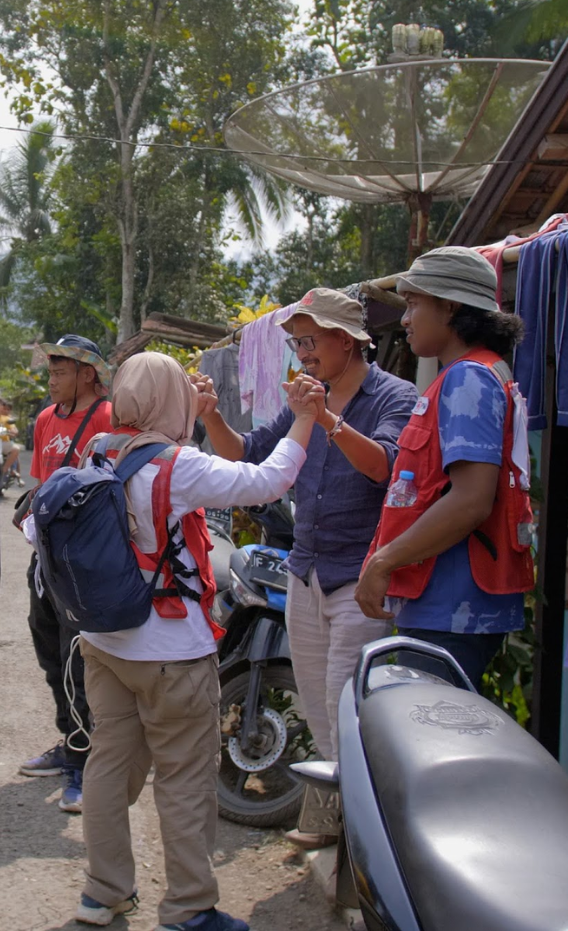
The Resilient Community Coach, designed in collaboration with first responders, Red Cross, and community volunteers, gives disaster managers a practical way to extend preparedness and response capacity into neighborhoods. Volunteer teams use the RCC to prepare plans, clarify responsibilities, practice scenarios, conduct drills, and coordinate with one another before and during a disaster. In this way, the RCC helps turn willing community members into a prepared, organized, and increasingly capable extension of the emergency-management system. Every neighborhood can have a network of people who know the neighborhood risks and vulnerable neighbors, know what to do, and are ready to act with the support of RCC. Just as importantly, the RCC gives disaster managers unprecedented insight into the communities they are tasked to protect. RCC tracks signals of readiness—whether teams have reviewed plans, practiced scenarios, maintained roles, and coordinated recently—so managers can see where community capacity is strong and where additional effort is needed. Emergency managers can use the RCC to support more communities despite limited staff and resources, helping local teams sustain their capabilities between disasters. In the face of increasing risks and decreasing resources, RCC provides a scalable way to achieve greater coverage, stronger community capacity, and better-informed volunteers and mutual aid.
What RCC Enables
How RCC Turns Preparedness Into Community Action
AI-Powered
Action Guidance
Turns disaster protocols, local conditions, and community knowledge into simple, actionable guidance tailored to a specific scenario.
Volunteer
Coordination
Helps teams organize roles, assign responsibilities, coordinate actions, and know who is doing what when an alert arrives.
Practice Ongoing
Readiness
Keeps preparedness from fading between incidents through scenario exercises, drills, reminders, and tracking of when plans and skills were last practiced.
Visibility Into
Community Status
Offers emergency managers a view across participating communities—showing which teams are active and prepared, where readiness is weakening, and where additional support or resources are needed.
The Functions
How It Works in Practice
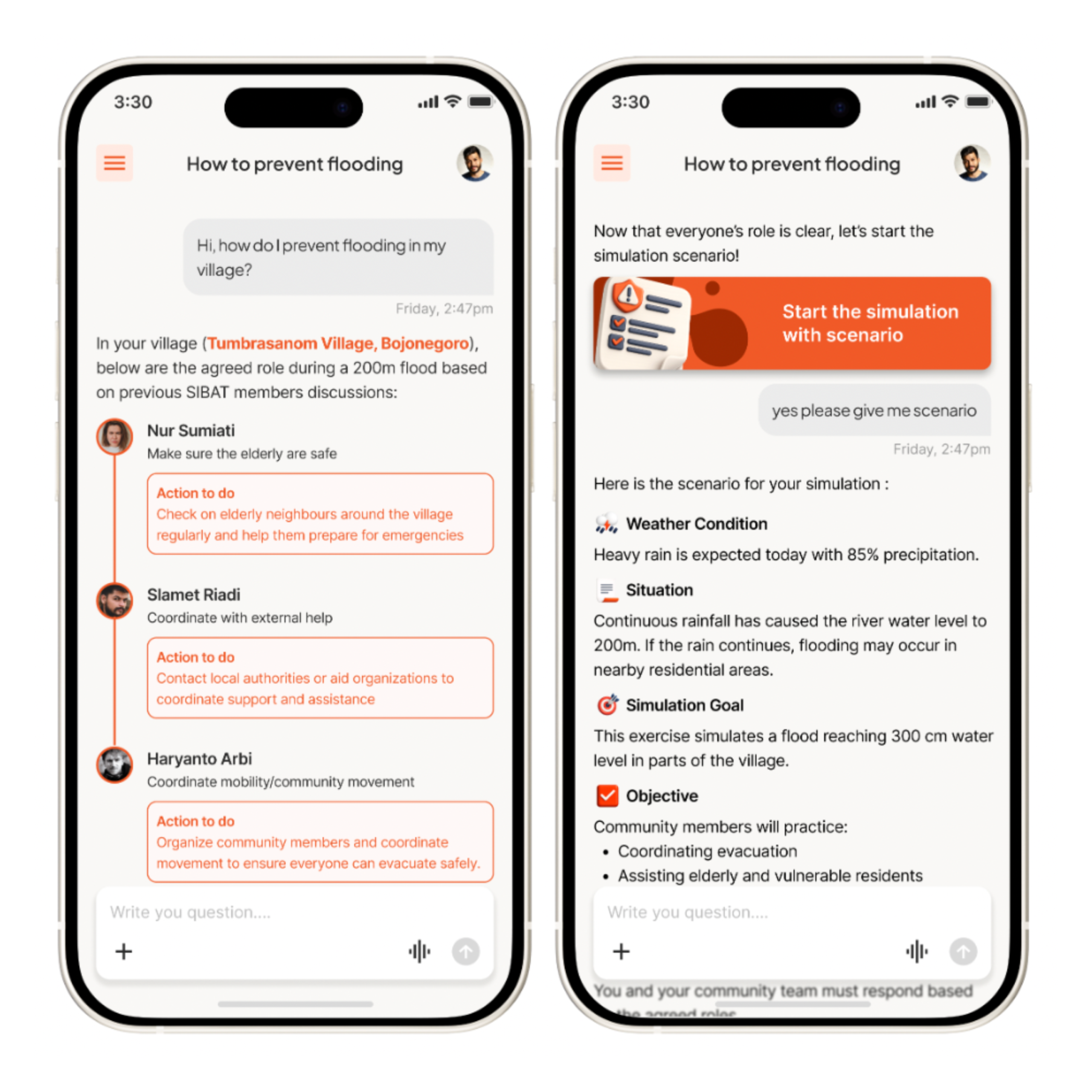
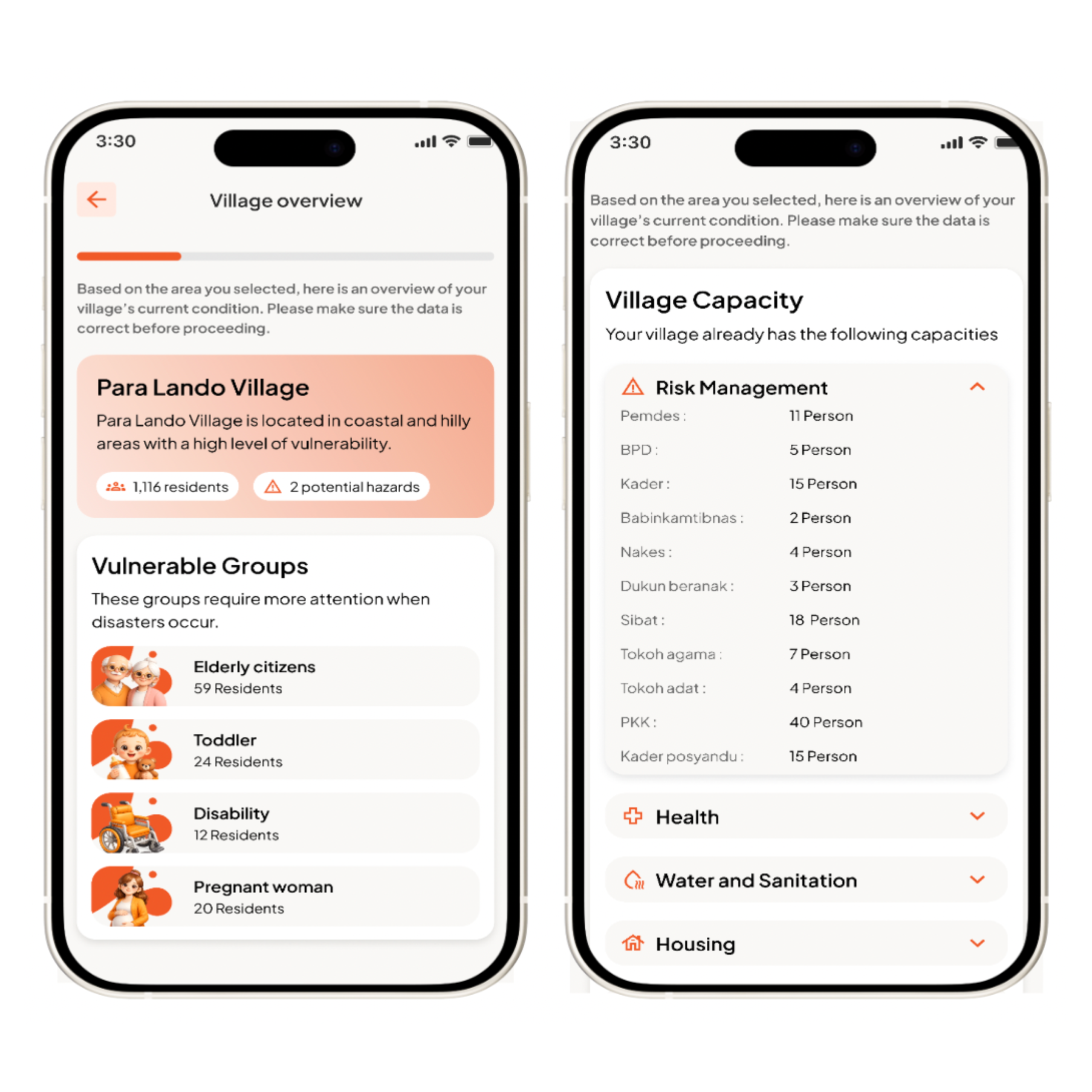
Understanding Community Risks and Capacities
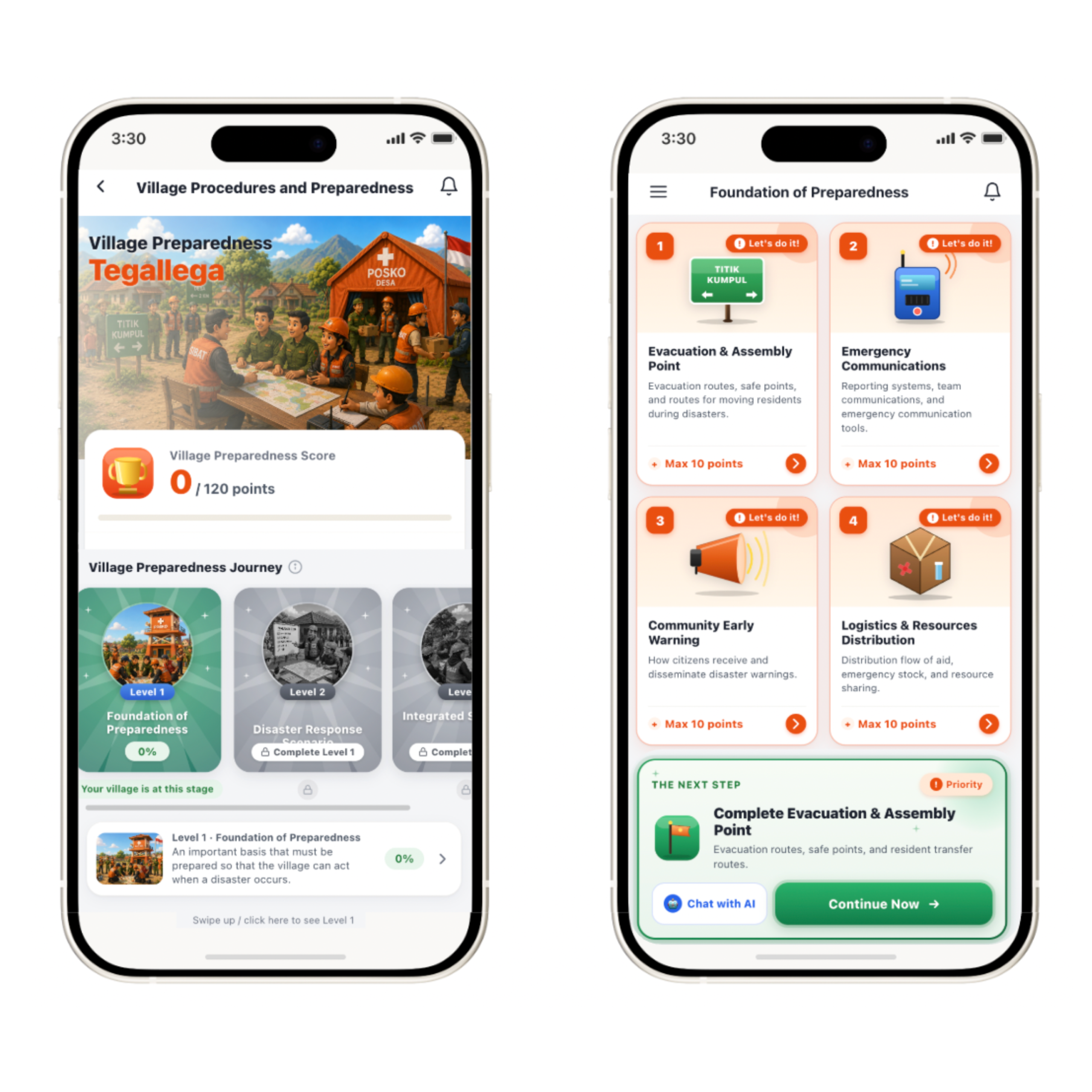
Clarifying Community Roles Before Disasters
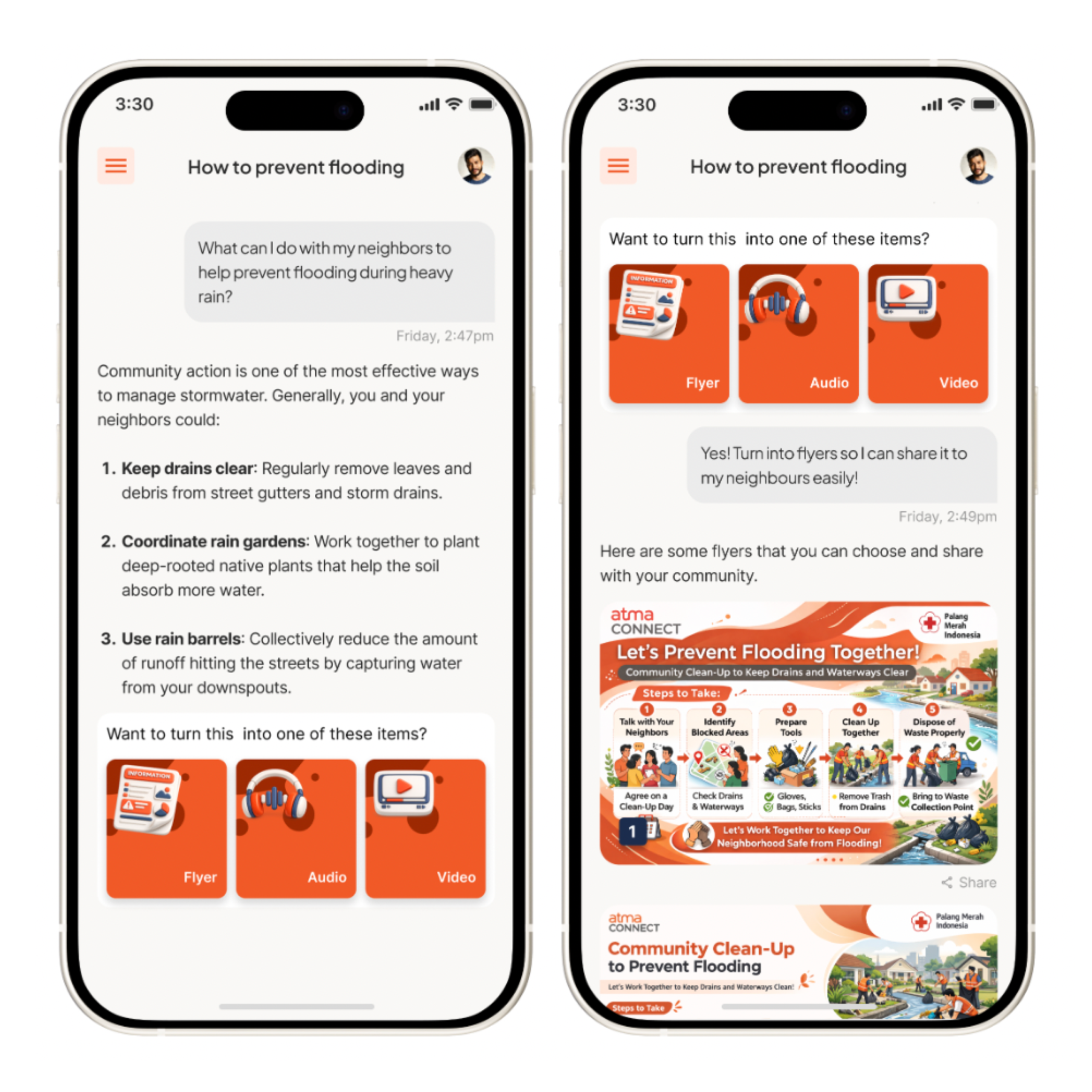
Tools to Mobilize Residents
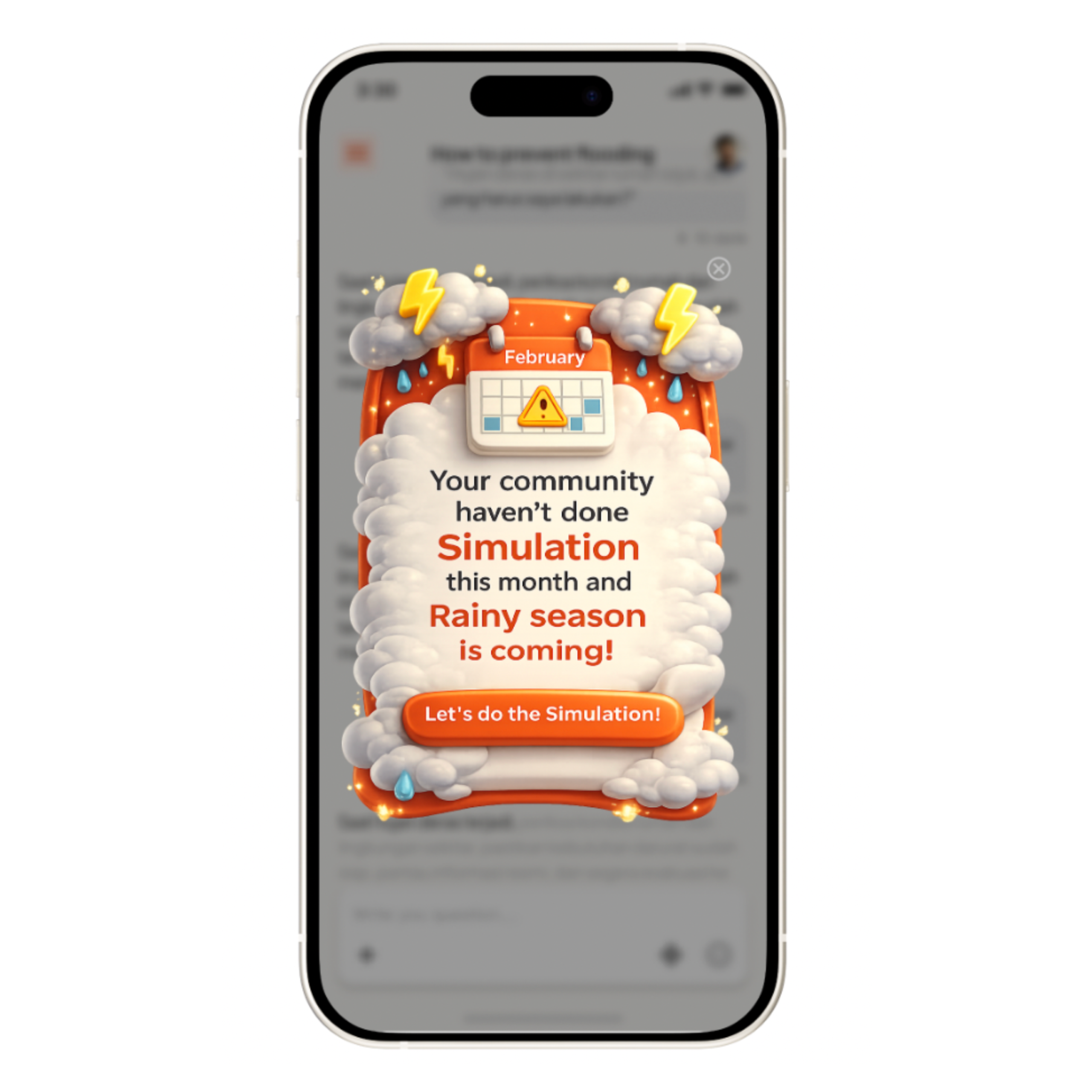
Sustaining Preparedness
Between Disasters
Visibility on Each Community’s Readiness
Impact
Atma’s Journey into AI-Enabled Disaster Mutual Aid
Atma is about connecting neighbors, strengthening community ties and infrastructure, building community capacity, and now, using AI to scale it. Atma’s journey began with AtmaGo, a web and mobile platform that enables neighbors to help one another with information, warnings, and offers of assistance—and has reached more than 20 million people. Atma went on to pioneer community-owned resilient internet, combining solar-powered connectivity in rural communities with disaster preparedness and training to strengthen local capacity. It focused on supporting low-cost, community-owned solar microgrids, providing affordable septic testing and installation in communities facing contamination, and it built collaboration platforms to enable knowledge sharing across sectors. Now, as disasters become more frequent and intense, Atma is bringing these lessons to AI-enabled mutual aid for disasters, helping communities turn their existing social networks into organized, informed and sustained community responders. The opportunity is significant: in many disasters, neighbors carry out the majority of immediate warnings and rescues, and communities that are connected and prepared are better positioned to reduce harm and recover faster.